La GanaRacket Finder
Search brand or model
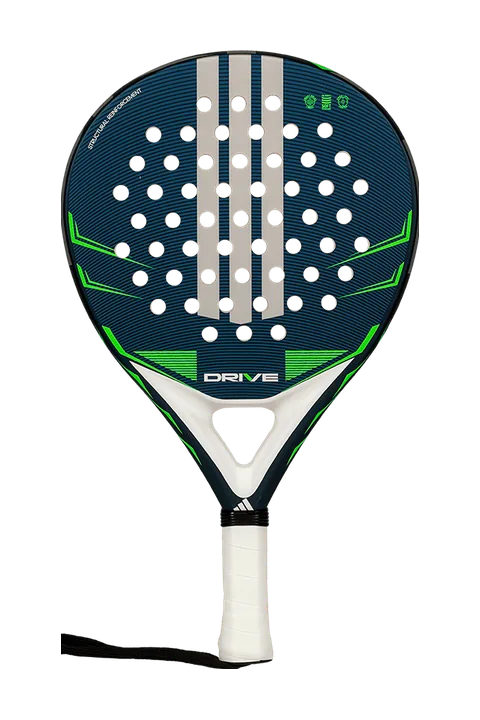
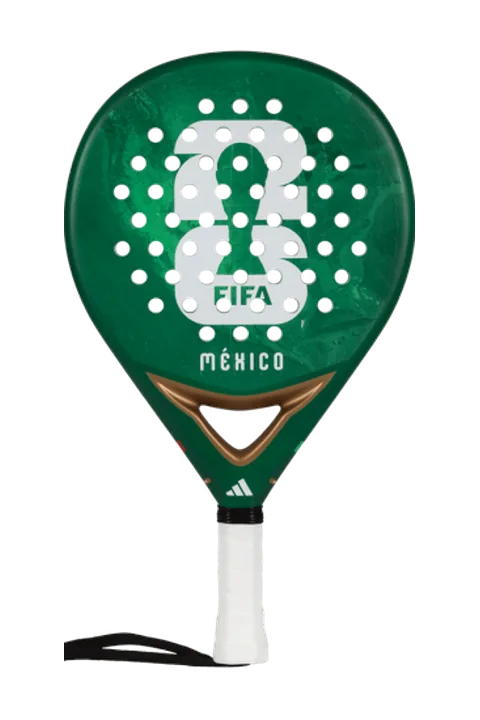
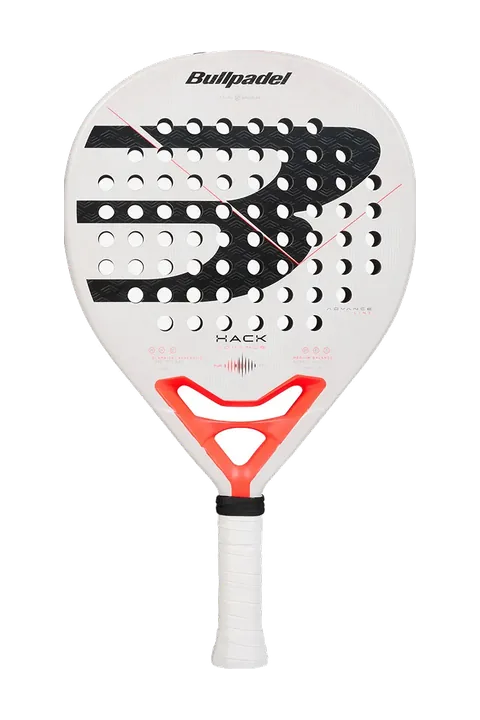
Rule 1 · the one that matters most
Round now. Teardrop later. Diamond, not yet.
Head shape decides where the sweet spot sits and how big it is. Nothing else on the sheet moves the scores as much. Click a shape, tilt the racket, and click the face to see what a mis-hit does on each.
Click anywhere on the face to test a hit
Yes — first racketSee round rackets
Round
Start here
The sweet spot is big and sits low, where you actually hit the ball. Most control, least power, most margin. Every first racket worth buying is round.
Sweet spot · large, low, centred on the shaft · 38% up the head
Power4
Control9
Forgiving9
Rule 2 · the specs you cannot see
Soft core. Flexible face. Ignore the frame.
A racket is a sandwich: two faces, a core between them, a frame around the edge. The two layers that decide how forgiving it feels are the two the photo hides. Drag it, pull it apart, click a layer.
Drag to turn · click a layer
The core
Foam or soft EVA. This is the spec to insist on.
The sponge between the faces. A soft core sinks under the ball and soaks up a frame hit; a hard core sends the shock up the handle. It is the single biggest comfort decision on the sheet.
Rule 3 · where the weight sits
Low or medium balance
Two rackets can weigh exactly the same and feel nothing alike, because the mass is in a different place. Head-heavy means a longer lever: more smash, more effort, more elbow. Slide it.
Good for a first racket
Low balance
Handle-heavy
Quick to turn, easy at the net, kind to the elbow. A fine first choice.
Every card shows the balance next to the shape →
Rule 4 · the number everyone fixates on
Mid weight, and stop worrying about it
Weight is the spec people compare first and the one that changes least. Pick the band that fits your build, then let shape and core do the deciding.
Average of the published weight range, in grams
330345360375390400
The box says a range, like 360–375 g. The catalogue takes the middle of it and drops that into one of these three bands. Two rackets a few grams apart usually land in the same band — and score the same.
Good for a first racket
356–370 g
Mid
Where most adults should start. Enough mass to block a hard ball, light enough to swing for two hours.
See mid rackets for starters
Stage by stage
What changes as you improve
The recipe shifts a little each season — not because the rules change, but because you start hitting the middle more often and can afford to give some margin back.
Just starting
Margin over everything
- You mis-hit most balls. A big, low sweet spot turns those into returns instead of net.
- A soft core hides the shock of a frame hit. Your elbow will thank you in month three.
- Power is irrelevant. The court is small and the wall gives it back anyway.
The spec sheet to look for
- Shape
- Round. Nothing else.
- Core
- Foam or soft EVA.
- Balance
- Low or medium.
- Weight
- Mid band (356–370 g) or lighter.
- Face
- Fibreglass or 3K. Do not pay for 18K.
- Budget
- Under £100 is fine. £100–150 is plenty.
Money
Spend less than the shop suggests
The starter stock lives at the cheap end of the catalogue, and that is not a compromise: cheap rackets are built from exactly the specs this guide tells you to buy.
Rackets listed for beginners or improvers, in stock in the UK
Under £10022£100–1509£150–2006£200–2502£250+0What the money buys
- Under £100 buys a proper first racket. Round head, soft core, fibreglass face — the whole recipe is there.
- Between £100 and £200 you are paying for a lighter frame, a nicer grip and a carbon face. Worth it once you play weekly.
- Past £200 you are mostly paying for stiffness and a signature. Those are the two things a starting player does not want.
Before you pay
Five mistakes, and how to avoid them
Every one of these comes from a shop floor or a club WhatsApp group. Tick them off.
Tick each one you are going to avoid
0 of 5 avoided
Now go and hold one
The catalogue shows the five specs from this page on every card, next to the three scores they produce. If you want to know where those scores come from, the other guide draws the arithmetic out.